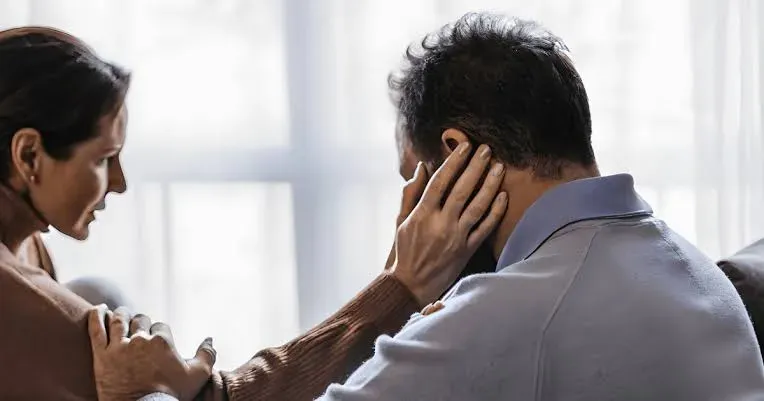
Behind the Silence: Why Some Male Survivors Wait Decades to Disclose Sexual Abuse
Sexual abuse among boys and men is a serious concern that does not always receive the attention or understanding it deserves. Although conversations about trauma and mental health have become more common, many male survivors continue to struggle with acknowledging or discussing their experiences. For some, silence begins in childhood and continues well into adulthood, sometimes lasting 20 years or longer.
The decision to disclose sexual abuse is rarely simple. Feelings of shame, fear of
judgment, concerns about not being believed, and expectations surrounding masculinity can make an already painful experience even more difficult to discuss. Some men may establish careers, marry, raise children, and maintain relationships while carrying experiences that even those closest to them know nothing about. Their ability to function in everyday life does not necessarily mean they have been unaffected by what happened.
Research examining male survivors of childhood sexual abuse has documented substantial delays in disclosure, raising questions about how sexual abuse is recognized, documented, and addressed (Pilkington et al., 2026). If someone can live for decades without speaking about an experience, how much do we truly understand about the prevalence of male sexual abuse and the long-term psychological consequences survivors may carry?
The Hidden Reality of Male Sexual Abuse
According to the Centers for Disease Control and Prevention (CDC, 2024), at least one in 20 boys in the United States experiences sexual abuse during childhood. The CDC also acknowledges that many children delay reporting abuse or never report it, suggesting that available estimates may not capture the full extent of the problem.
Research examining male survivors of childhood sexual abuse has documented significant delays between the abuse and the decision to disclose. In a study involving 253 men from the United States and Canada, Romano et al. (2019) found that 77.9% of participants had disclosed their experiences. Still, those who disclosed waited an average of 15.4 years before telling someone. Similarly, Easton (2013), in a study of 487 adult male survivors, identified an average
delay of approximately 21 years before initial disclosure. These findings were subsequently examined in a systematic review by Pilkington et al. (2026), which reported average disclosure delays ranging from 15.4 to 21.38 years across the relevant studies.
Although these findings do not suggest that every male survivor follows the same timeline, they demonstrate how childhood sexual abuse can remain undisclosed well into adulthood. The studies involved groups of survivors, and their averages should not be interpreted as representative of all boys and men who experience sexual abuse.
Consider what 20 years represents in someone’s life. An individual may enter adulthood, complete his education, establish a career, marry, and become a parent without ever telling another person what happened to him. From the outside, he may appear confident, responsible, and emotionally stable, while privately struggling with experiences he has never fully understood or addressed.
Delayed disclosure also creates challenges when interpreting statistics. A boy who experiences abuse at age 10 but does not disclose it until he is 30 may never appear in childhood protectiveservice or criminal justice records. His experience may still be captured through confidential population surveys conducted during adulthood, but even these methods cannot guarantee that every survivor will disclose. The absence of a formal report should therefore never be mistaken for evidence that abuse did not occur.
Understanding these limitations is important because statistics tell us what researchers have been able to identify, not necessarily everything that has happened.
Why Do Some Boys and Men Remain Silent?
One of the barriers to disclosure involves how boys and men learn to understand
vulnerability. Messages encouraging independence, emotional control, and self-reliance can be valuable in certain circumstances. However, when these expectations leave little room for fear, sadness, or emotional pain, some individuals may come to believe that asking for help reflects weakness.
In their systematic review of research involving boys and men who had experienced sexual trauma, Pilkington et al. (2026) identified shame, fear of negative reactions, concerns about masculinity, and limited public recognition of male sexual victimization as significant barriers to disclosure. These concerns can become especially complicated when the person responsible for the abuse is someone the survivor knows, trusts, or depends upon. A child may experience
fear, confusion, affection, loyalty, and betrayal within the same relationship, making it difficult to understand what occurred or whom to tell.
Some male survivors may fear that disclosing sexual abuse will lead others to question their masculinity or sexual identity. Others may struggle to reconcile involuntary physical responses during abuse with their understanding of consent. Physiological arousal is not evidence of consent, and a person’s bodily response does not make them responsible for sexual violence.
Family, cultural, and social expectations may also influence how individuals understand emotional expression and privacy. These experiences vary considerably, and no culture, religion, or community should be characterized as inherently discouraging disclosure.
Supportive families, faith communities, and cultural relationships can also become importantsources of strength during recovery.
For some men, silence may have developed as a way of protecting themselves from further emotional harm. Recognizing this does not mean encouraging continued silence; it means understanding why disclosure may require time, trust, and a sense of safety.
Sexual Abuse Can Also Occur in Adulthood
Male sexual victimization is not limited to childhood. Adult men may experience sexual violence within intimate relationships, workplaces, military settings, correctional institutions, and other environments where coercion, threats, or abuses of power occur.
Correctional settings offer one example of how sexual victimization can occur in
circumstances where reporting may be particularly difficult. The Bureau of Justice Statistics (2025a, 2025b) reported that approximately 4.1% of surveyed adults in state and federal prisons and 4.0% in local jails experienced sexual victimization during 2023–2024. These overall estimates include incarcerated individuals of different genders and should not be interpreted as male-only prevalence figures.
For men experiencing sexual violence while incarcerated, concerns about retaliation, personal safety, humiliation, and institutional responses may discourage reporting. Similar fears may affect men who experience sexual assault in other settings, particularly when the perpetrator holds authority or influence over them.
Regardless of when or where sexual abuse occurs, its psychological consequences can be significant. A man’s age, occupation, physical strength, or social position does not make him immune to sexual victimization.
The Long-Term Psychological and Physical Consequences
Sexual trauma can influence an individual’s emotional, psychological, and physical well-being long after the experience has ended. The CDC (2024) identifies childhood sexual abuse as an adverse childhood experience associated with increased risks of depression, posttraumatic stress symptoms, substance misuse, suicidal behavior, and long-term health concerns.
Research specifically examining male survivors has identified associations between childhood sexual abuse and psychological difficulties that may persist into later adulthood. In a population-based longitudinal study involving 2,451 men, Easton et al. (2019) found that men who reported childhood sexual abuse experienced greater depressive symptoms in later life than those without such histories. These findings are particularly important because they demonstrate that the psychological effects of childhood sexual trauma may remain relevant
decades after the experience occurred.
For some survivors, these consequences may emerge through anxiety, posttraumatic stress, difficulties with emotional regulation, low self-esteem, shame, or problems developing trust and intimacy. Others may experience sleep disturbances, persistent stress, substance-related difficulties, or physical symptoms that affect daily functioning. However, increased risk does not mean that every survivor will develop a psychiatric disorder, and psychological symptoms should never be assumed to result from sexual abuse without appropriate assessment.
The effects of childhood sexual abuse may also extend into the relationships that survivors genuinely want to build and maintain. Some men may desire love, companionship, marriage, and lasting emotional intimacy while simultaneously struggling with trust, vulnerability, or the fear of being hurt. In a qualitative synthesis examining male survivors’ experiences of partner relationships, Weetman et al. (2022) identified difficulties involving emotional and sexual
intimacy, trust, and the ways trauma can influence closeness with romantic partners. The review also recognized that relationships could provide opportunities for healing and emotional connection.
Broader research examining adult relationships among childhood sexual abuse survivors has identified increased risks of insecure attachment, relationship difficulties, and marital disruption. In a systematic review of 55 studies, MacIntosh and Ménard (2021) found evidence that survivors were, on average, less likely to marry and more likely to divorce. However, these findings were not limited to male survivors, and the available evidence does not establish that most men with childhood sexual abuse histories remain single or experience divorce.
These distinctions matter. A history of sexual abuse does not determine whether someone will develop a healthy marriage, maintain a lasting relationship, or become a supportive partner or parent. Some survivors may experience difficulties with intimacy, while others develop stable, fulfilling relationships. Individual circumstances, protective relationships, access to support, and opportunities for healing can all influence long-term outcomes.
The impact may also extend beyond romantic relationships. Some male survivors describe difficulties maintaining friendships, navigating family relationships, or feeling emotionally connected to others. Research involving men who experienced childhood sexual abuse in institutional settings has also documented challenges involving education, employment, and social functioning, although these findings cannot be generalized to every survivor.
A man may continue fulfilling his responsibilities at work and at home while privately struggling with emotional distress. Others may have trouble concentrating, managing stress, or feeling connected to colleagues, friends, and family members. These experiences are not unique to sexual trauma, and none should be interpreted as evidence of abuse on its own.
One concern is that a man may seek professional help for depression, anxiety, substance use, or relationship difficulties without initially discussing a history of sexual trauma. Someone who appears emotionally distant or uncomfortable with intimacy may be experiencing difficulties that others do not fully understand. However, these behaviors have many possible explanations and should never lead to assumptions about an individual’s history.
This is why understanding a person’s experiences matters as much as understanding their symptoms. Psychological distress does not always present itself in ways that are immediately recognizable, and individuals may need time before they feel comfortable discussing events that have influenced their lives.
Helping Men Open Up: Why the Approach Matters
When encouraging male survivors to seek support, we must consider not only whether help is available but also how that help is offered. Traditional counseling often involves sitting face-toface in a private office and discussing thoughts, emotions, and experiences. While this approach can be beneficial, it may feel uncomfortable or intimidating for some men, particularly those who have difficulty expressing vulnerability.
Gamache et al. (2025) conducted a scoping review examining the preferences of men who had experienced sexual assault regarding psychological services. The researchers found that relatively few studies directly investigated treatment preferences. Available findings suggest that some men valued opportunities to choose their therapist and preferred supportive, practical, and action-oriented approaches. Importantly, preferences varied, reinforcing the need for individualized care rather than assuming all men respond to therapy in the same way.
One approach receiving growing attention is walk-and-talk therapy, in which a therapist and client engage in counseling while walking together, often outdoors. Rather than sitting directly across from one another, they move side by side, creating a different conversational environment. For some individuals, reduced eye contact, gentle physical movement, and a less formal setting may make difficult conversations feel more manageable.
Prince-Llewellyn and McCarthy (2025) examined walk-and-talk therapy in a small study involving five adults. Participants reported that walking outdoors helped reduce the pressure associated with face-to-face conversations and allowed them to express their thoughts and emotions more freely. Improvements in psychological distress and well-being were also observed. Although these findings are encouraging, the study was small and did not specifically examine male sexual abuse survivors.
Walk-and-talk therapy may therefore offer an alternative for individuals who find conventional office-based conversations uncomfortable, but it should not be presented as the preferred treatment for all men or as a proven replacement for established trauma-focused psychotherapy. Outdoor sessions also require attention to confidentiality, privacy, accessibility, and personal safety.
Other men may feel more comfortable beginning with structured, goal-oriented counseling, where they can identify specific concerns, develop coping strategies, and gradually build trust before discussing traumatic experiences in greater detail. Some may prefer individual therapy, while others may benefit from support groups where they can connect with individuals who have experienced similar difficulties. A confidential phone conversation or online support service may also provide a less intimidating first step.
For individuals experiencing posttraumatic stress disorder (PTSD), evidence-based
treatments such as Cognitive Processing Therapy (CPT), Prolonged Exposure (PE), and Eye Movement Desensitization and Reprocessing (EMDR) are recommended by the U.S. Department of Veterans Affairs and Department of Defense (2023). These treatments address trauma-related symptoms through established therapeutic methods, although the most appropriate approach depends on the individual’s needs and clinical assessment.
The goal should not be to determine which approach all men prefer. Rather, it is to recognize that men may be more willing to engage when they feel respected, have choices, and are not pressured to disclose more than they are ready to share.
How Family Members and Friends Can Offer Support
When someone discloses sexual abuse, the response they receive can influence whether they feel comfortable continuing the conversation or seeking professional help. Romano et al. (2019) found that among the men in their study who had disclosed childhood sexual abuse, 64.4% reported receiving a positive response, while 35.6% described a negative response. These findings highlight why others' reactions deserve attention when discussing disclosure.
A question such as “Why didn’t you tell someone sooner?” may seem reasonable to the listener, but it can unintentionally reinforce the shame or self-blame a survivor already experiences. A more compassionate response involves listening without judgment, acknowledging the person’s experience, and respecting their pace. Simple statements such as “Thank you for trusting me,” “What happened was not your fault,” or “You don’t have to explain everything right now” can communicate acceptance without placing additional demands on the survivor.
Support may also involve offering to help locate a therapist, accompanying someone to an appointment when appropriate, or simply remaining available to listen. It is equally important to respect personal boundaries and avoid making decisions on the survivor’s behalf. Pilkington et al. (2026) emphasized the importance of nonjudgmental, affirming responses and the role that supportive relationships can play in facilitating disclosure.
When a child discloses suspected abuse, adults should remain calm, provide reassurance, avoid investigative questioning, and follow applicable child-protection reporting requirements.
Not every survivor will be ready to speak, and not every survivor will choose the same path toward recovery. Creating an environment where disclosure is met with compassion rather than judgment can make it more possible to seek support.
Healing and Finding Support in Bergen County
Healing from sexual trauma is not determined by how quickly someone discloses an experience or how much they are willing to share. For some men, the first step may involve recognizing that their emotional difficulties deserve attention. For others, it may mean speaking with a therapist, contacting an advocacy organization, or connecting with a support group.
In Bergen County, Hudson River Care & Counseling in Teaneck is a local counseling practice that individuals may contact to inquire about available mental health services and appropriate referrals.
Additional resources include:
● healingSPACE, YWCA Northern New Jersey: Bergen County’s Sexual Violence
Resource Center offers advocacy and support services, including services for male survivors. Its 24-hour hotline is 201-487-2227.
● New Jersey Statewide Sexual Violence Hotline: Confidential support and referrals are available at 800-601-7200.
● RAINN National Sexual Assault Hotline: Call 800-656-HOPE (4673), text HOPE to
64673, or visit rainn.org.
● 988 Suicide & Crisis Lifeline: Call or text 988 for emotional crisis support.
For immediate danger, call 911.
For someone who has remained silent for years, reaching out may feel overwhelming. It may be easier to begin with a phone call, a walk with a trusted person, or a conversation with a professional who understands trauma. There is no requirement to share every detail immediately, and progress does not have to follow a particular timeline.
When we consider that some male survivors may wait many years before disclosing sexual abuse, the significance extends beyond the delay itself. It challenges us to consider the experiences we may overlook, the assumptions we make about people who appear to be functioning well, and the importance of creating environments where individuals feel safe enough to seek help.
Silence does not mean that nothing happened, and the length of time someone remains silent should never determine whether their experience is taken seriously.
References
Centers for Disease Control and Prevention. (2024, May 16). About child sexual
abuse. https://www.cdc.gov/child-abuse-neglect/about/about-child-sexual-abuse.html
Easton, S. D. (2013). Disclosure of child sexual abuse among adult male survivors.
Clinical Social Work Journal, 41(4), 344–355. https://doi.org/10.1007/s10615-012-0420-3
Easton, S. D., Kong, J., Gregas, M. C., Shen, C., & Shafer, K. (2019). Child sexual abuse and depression in late life for men: A population-based, longitudinal analysis. The Journals of Gerontology: Series B, 74(5), 842–852. https://doi.org/10.1093/geronb/gbx114
Gamache, L., Dubé, L., & Belleville, G. (2025). A scoping review of preferences of men who experienced sexual assault: Implications for adaptation of trauma-focused cognitive behavioral therapies. American Journal of Men’s Health, 19(1), 15579883241260512. https://doi.org/10.1177/15579883241260512
MacIntosh, H. B., & Ménard, A. D. (2021). Couple and parenting functioning of childhood sexual abuse survivors: A systematic review of the literature (2001–2018). Journal of Child Sexual Abuse, 30(3), 353–384. https://doi.org/10.1080/10538712.2020.1847227
Pilkington, V., Bendall, S., Rice, S., Salter, M., Wilson, M. J., & Seidler, Z. (2026). Barriers and facilitators for sexual trauma disclosure in boys and men: A systematic review. Trauma, Violence, & Abuse, 27(3), 830–853. https://doi.org/10.1177/15248380251325210
Prince-Llewellyn, H., & McCarthy, P. (2025). Walking and talking for well-being: Exploring the effectiveness of walk and talk therapy. Counseling and Psychotherapy Research, 25(2), e12847. https://doi.org/10.1002/capr.12847
Romano, E., Moorman, J., Ressel, M., & Lyons, J. (2019). Men with childhood sexual abuse histories: Disclosure experiences and links with mental health. Child Abuse & Neglect, 89, 212– 224. https://doi.org/10.1016/j.chiabu.2018.12.010
U.S. Department of Justice, Bureau of Justice Statistics. (2025a). Sexual victimization in local jails reported by inmates, 2023–24. https://bjs.ojp.gov/library/publications/sexual-victimizationlocal-jails-reported-in
U.S. Department of Justice, Bureau of Justice Statistics. (2025b). Sexual victimization in prisons reported by inmates, 2023–24. https://bjs.ojp.gov/library/publications/sexualvictimization prisons-reported-inmates-2023-24
U.S. Department of Veterans Affairs & U.S. Department of Defense. (2023). VA/DoD clinical practice guideline for management of posttraumatic stress disorder and acute stress disorder. https://www.healthquality.va.gov/guidelines/MH/ptsd/
Weetman, C., Kiemle, G., Lowe, M., & Balfour, R. (2022). The experience of partner
relationships for male survivors of childhood sexual abuse: A qualitative synthesis. Trauma, Violence, & Abuse, 23(5), 1478–1493.
https://doi.org/10.1177/1524838021998311
Disclaimer: This article is intended for educational purposes and does not replace
individualized mental health assessment or treatment.